For travellers who enjoy walking, photography, food and local culture, an East End tour can be one of the most memorable experiences in London. The area is best explored slowly, with time to look at painted walls, hidden courtyards, market stalls, historic streets and small details that are easy to miss without a guide or planned route. From Shoreditch and Brick Lane to Spitalfields, Whitechapel and Docklands, East London is packed with sights and attractions that work perfectly as part of a half-day or full-day tour.
Why Take a Tour of London’s East End?
The East End is layered with history. It has been home to waves of migrants, dock workers, artists, traders, makers and communities from around the world. This has created one of London’s richest cultural landscapes. A good East End tour helps you understand how these stories connect, rather than simply moving from one attraction to another.
It is also one of the best parts of London for walking. Many of the most interesting sights are close together, especially around Shoreditch, Spitalfields and Brick Lane. You can explore street art in the morning, browse a market at lunchtime, visit a gallery in the afternoon and end the day with food from one of the area’s many global cuisines.
Best Areas for London East End Tours
1. Shoreditch: Street Art and Creative Culture
 Shoreditch is one of the most popular starting points for East End tours. Known for street art, independent shops, lively bars and creative spaces, it gives visitors an immediate sense of East London’s modern energy. Walls, shutters and side streets are covered with murals, stencils, posters and graffiti, making the area ideal for photography and guided street art walks.
The best route usually includes Shoreditch High Street, Great Eastern Street, Rivington Street, Redchurch Street and the streets leading towards Brick Lane. The artworks change regularly, so even repeat visitors can see something new. For an official overview of the area, Visit London’s guide to Hoxton and Shoreditch is a useful place to start planning.
2. Brick Lane: Food, Markets and Multicultural London
Brick Lane is one of the most famous streets in the East End and a highlight of many London East End tours. It is known for curry restaurants, bagel shops, street food, vintage stores, market stalls and colourful street art. The area reflects London’s long history of migration, with cultural influences from Jewish, Bangladeshi, Huguenot and other communities visible in its food, buildings and street life.
A Brick Lane tour can focus on food, history, photography or markets. Weekend visits are especially lively, when the surrounding markets fill with vintage clothing, records, antiques, design pieces and international food stalls. Visit London’s page on Brick Lane Market provides practical visitor information and transport guidance.
3. Spitalfields: Markets and Historic Streets
Spitalfields is perfect for travellers who want a mix of old and new. The area has historic streets, Georgian houses, market buildings, restaurants, shops and links to London’s trading past. It is close to both Brick Lane and Liverpool Street, which makes it easy to include in a walking tour.
Old Spitalfields Market is one of the area’s main attractions. It combines food, fashion, crafts, gifts and independent traders in a covered market setting. It is a good stop for lunch or a relaxed break during an East End itinerary. Around the market, streets such as Fournier Street and Princelet Street add historic character and are often included on guided walks about migration, architecture and local life.
4. Whitechapel: Art, History and Urban Change
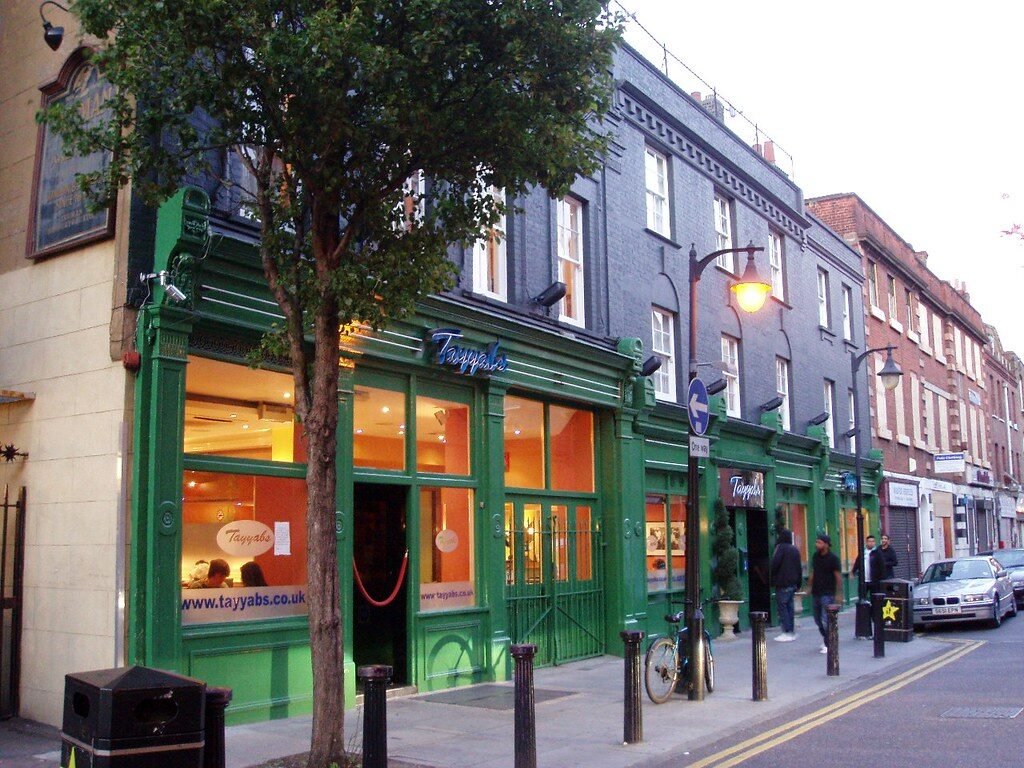 Whitechapel is one of the most historically significant areas in the East End. It has long been associated with migration, social reform, markets, medicine, art and urban change. Today, it offers a fascinating mix of old buildings, busy streets, cultural institutions and contemporary London life.
One of the key cultural stops is Whitechapel Gallery, a major East London art institution with exhibitions, events and displays. It works well as part of a tour that combines history and modern culture. Check the official Whitechapel Gallery visitor information page before planning your visit.
5. Docklands: Maritime History and Riverside London
For travellers interested in London’s river, trade and maritime past, Docklands is an excellent addition to an East End tour. The area tells the story of London as a port city, from warehouses and trade routes to modern redevelopment around Canary Wharf. It offers a different atmosphere from Shoreditch and Brick Lane, with riverside walks, historic docks and striking views of modern London.
The best place to understand this history is London Museum Docklands. The museum explores hundreds of years of dockland history and is a strong choice for visitors who want context beyond a simple sightseeing walk.
Types of East End Tours to Consider
Street art tours are ideal for first-time visitors to Shoreditch and Brick Lane. A guide can explain the artists, techniques, changing walls and hidden pieces you might otherwise miss.
Food tours are perfect for Brick Lane, Spitalfields and Whitechapel. These can include curry, bagels, street food, sweets, market snacks and stories about the communities that shaped local food culture.
History tours are best for travellers who want to understand the East End’s deeper identity. These walks often focus on migration, poverty, trade, religion, social reform, crime, industry and working-class London.
Photography tours suit visitors who want striking urban images. Shoreditch murals, market scenes, old shopfronts, narrow streets and Docklands views all provide excellent photo opportunities.
Suggested One-Day East End Tour Itinerary
Start your day at Liverpool Street or Shoreditch High Street station. Walk north into Shoreditch to see street art around Great Eastern Street and Rivington Street, then continue towards Brick Lane. Spend time exploring side streets, vintage shops and murals before stopping for lunch at a food market or casual restaurant.
In the afternoon, walk to Spitalfields for market browsing and historic streets. Continue towards Whitechapel if you want art and local history, or take public transport to Docklands for a museum visit and riverside views. This route gives you a strong mix of East End highlights without trying to cover too much ground.
Tips for Booking London East End Tours
Choose your tour based on your interests. If you love photography, book a street art walk. If you care about culture and migration, choose a history or food tour. If you prefer flexibility, create a self-guided route using official visitor information and leave time for spontaneous stops.
Wear comfortable shoes, as East End tours usually involve a lot of walking. Bring a camera or phone with enough battery, especially if you are visiting Shoreditch and Brick Lane. Weekends are best for markets, while weekdays can be better for quieter streets and easier photography.
Final Thoughts
Tours to London East End reveal one of the capital’s most exciting and meaningful areas. This is where history, migration, creativity, food and urban culture meet. Whether you join a guided walk or plan your own route, the East End offers a rich alternative to London’s classic sightseeing trail. From Shoreditch street art and Brick Lane food to Spitalfields markets, Whitechapel culture and Docklands heritage, East London is a destination that rewards curiosity at every turn.