Canary Wharf in London: Best Things to See and Do>
a river with a bridge and buildings

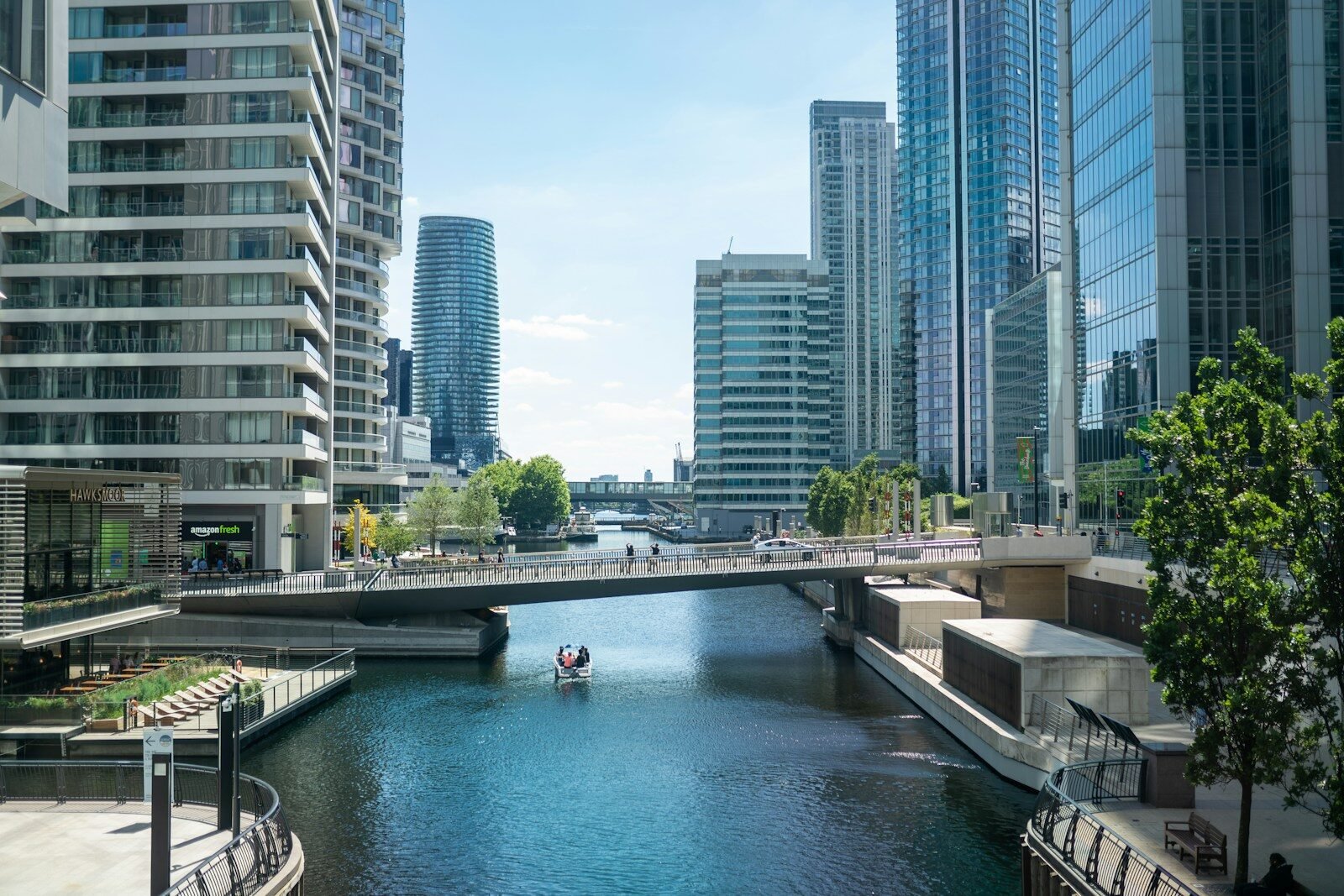
Canary Wharf in London is one of the capital’s most striking modern districts. Famous for its glass skyscrapers, waterside setting and financial centre, Canary Wharf is much more than a business area. Today, it is also a destination for shopping, restaurants, public art, rooftop gardens, riverside walks, museums and events. For visitors exploring East London, it offers a very different atmosphere from Shoreditch, Brick Lane or the historic City.

Set on the Isle of Dogs in London’s Docklands, Canary Wharf combines the story of London’s maritime past with the energy of a modern urban quarter. Old docks and warehouses sit close to high-rise offices, luxury apartments, landscaped squares and contemporary architecture. Whether you are visiting for a few hours or planning a full day in East London, Canary Wharf is a rewarding place to explore.

Where Is Canary Wharf?

Canary Wharf is located in East London, in the borough of Tower Hamlets. It sits beside the River Thames and the old West India Docks, east of the City of London and west of Greenwich. The area is very easy to reach by public transport. Canary Wharf has stations on the Jubilee line, Elizabeth line and DLR, as well as river services from Canary Wharf Pier.

Because of these transport links, Canary Wharf works well as part of a wider East London itinerary. You can combine it with London Museum Docklands, Greenwich, the O2, Tower Bridge, Stratford, Whitechapel or the City. Arriving by boat is especially memorable, as it gives you skyline views from the Thames before you step into the district.

Why Visit Canary Wharf?

The main reason to visit Canary Wharf is its contrast. It is sleek, modern and businesslike during the week, but it also has calm waterfront spaces, hidden gardens, restaurants, shops and cultural attractions. The area is clean, walkable and full of architectural drama, making it especially appealing for photography and city walks.

Canary Wharf is also a good choice in bad weather. Much of the shopping and dining is indoors, while the underground malls connect several parts of the estate. On sunny days, the docks, squares and river paths make it easy to enjoy the outdoors without leaving the city.

For an up-to-date overview of activities, see the official Canary Wharf See & Do guide.

Top Attractions in Canary Wharf

1. Crossrail Place Roof Garden

Crossrail Place Roof Garden is one of Canary Wharf’s most surprising attractions. Set above the Elizabeth line station, this elevated garden feels calm and sheltered despite being surrounded by towers and transport links. It features exotic planting, wooden walkways, seating areas and a distinctive roof structure that makes it popular with photographers.

The garden is a great place to pause during a Canary Wharf walk. It is also close to restaurants, shops and the Elizabeth line, making it easy to include even on a short visit. Check the official Crossrail Place Roof Garden page for visitor information.

2. London Museum Docklands

London Museum Docklands is one of the best attractions near Canary Wharf. Housed in a historic warehouse at West India Quay, the museum explores the history of London’s docks, trade, migration, slavery, the River Thames and the communities shaped by the port. It gives important context to the modern towers around Canary Wharf, reminding visitors that this area was once central to London’s global trading power.

The museum is free to visit and is ideal for families, history lovers and anyone who wants to understand East London beyond its skyline. It is only a short walk from the main Canary Wharf estate. Before going, check the official London Museum Docklands visitor information page.

3. Canary Wharf Shopping Centre

Canary Wharf is one of East London’s strongest shopping areas. Its malls include fashion, beauty, lifestyle, technology, homeware, cafes, restaurants and useful services. Unlike many outdoor shopping streets in London, Canary Wharf’s retail areas are largely sheltered, making them convenient during rain or winter weather.

The shopping district is not only practical; it is also part of the Canary Wharf experience. Shops and restaurants are connected by polished walkways, plazas and underground passages, giving the area a distinctive city-within-a-city feeling. Visit London’s guide to Canary Wharf shops gives a useful overview of the retail and dining options.

4. Public Art and Modern Architecture

Canary Wharf is one of the best places in London for modern architecture and outdoor public art. The tall towers, dockside reflections, bridges and open squares create strong visual lines, while sculptures and installations are spread throughout the estate. This makes Canary Wharf an excellent area for a self-guided photography walk.

Look for artworks in squares, gardens, lobbies and waterside spaces. The best time for photography is early morning, when the area is quieter, or late afternoon, when the glass buildings reflect the changing light. The official Canary Wharf art information notes that the estate has one of London’s largest outdoor public art collections, making it worth exploring slowly rather than rushing between attractions.

5. Riverside Walks and Dockside Views

Canary Wharf’s waterfront setting is one of its biggest strengths. The old docks, river paths and bridges offer views of the towers from different angles, while the Thames connects the district visually with Greenwich, the City and the wider Docklands. A simple walk around West India Quay, Middle Dock, South Dock and the riverfront is one of the best free things to do in Canary Wharf.

For a more scenic arrival or departure, use the river bus from Canary Wharf Pier. Uber Boat by Thames Clippers connects Canary Wharf with other parts of London by water, including central and eastern piers. The official Canary Wharf Pier page has practical travel details.

Food and Drink in Canary Wharf

Canary Wharf has a wide range of food and drink options, from quick lunches and coffee shops to waterside restaurants, wine bars, pubs and smart dining rooms. The area is especially busy during weekday lunchtimes and after work, but it has become increasingly attractive for weekend visitors too.

For a relaxed meal, look for restaurants around West India Quay, Crossrail Place, Jubilee Place, Canada Square and the riverfront. In warmer weather, outdoor seating near the water is one of the best ways to enjoy the area. In the evening, Canary Wharf’s lights reflect on the docks, giving the district a polished urban atmosphere.

Best Time to Visit Canary Wharf

Canary Wharf can be visited year-round. Weekdays are best if you want to see the district at its busiest, with office workers, restaurants and after-work energy. Weekends are usually calmer and better for relaxed walks, shopping and photography.

Spring and summer are ideal for outdoor spaces such as Crossrail Place Roof Garden, riverside walks and dockside terraces. Winter can also be enjoyable, especially because many shops, restaurants and transport links are indoors. If you enjoy city photography, visit around sunset for dramatic reflections and skyline views.

Suggested Canary Wharf Itinerary

Start at Canary Wharf station and walk to Crossrail Place Roof Garden. Spend time exploring the garden, then continue towards the shopping malls and Canada Square. From there, walk to West India Quay and visit London Museum Docklands. After the museum, follow the dockside paths for skyline views and stop for lunch or dinner near the water.

If you have more time, take a river boat from Canary Wharf Pier towards Greenwich, Tower Bridge or central London. This turns a simple visit into a scenic East London experience and gives you one of the best views of Canary Wharf’s towers.

Final Thoughts

Canary Wharf is one of London’s most distinctive modern districts. It is known for finance and skyscrapers, but visitors will also find gardens, museums, shops, restaurants, public art and peaceful waterside walks. Its mix of Docklands history and contemporary design makes it a fascinating stop on any East London itinerary.

Whether you come for architecture, shopping, food, photography or a riverside walk, Canary Wharf shows a sleek and surprising side of London that is well worth exploring.
Main Attractions in East London: Best Things to See and Do

London Bridge, London
East London is one of the most exciting and varied parts of the capital. It combines historic landmarks, creative neighbourhoods, street art, markets, riverside walks, museums, parks and some of London’s best food scenes. For travellers who want to experience more than the classic West End and royal attractions, East London offers a lively, multicultural and constantly evolving side of the city.

The main attractions in East London range from world-famous sites such as the Tower of London to atmospheric areas like Shoreditch, Brick Lane, Spitalfields, Whitechapel, Docklands and Stratford. It is a part of London where centuries of history sit beside modern architecture, independent shops, food markets and colourful street murals. Whether you are visiting for one day or planning a longer London itinerary, East London deserves a place on your travel list.

Why Visit East London?

East London is ideal for visitors who enjoy walking, photography, food, culture and local neighbourhoods. The area has a different feel from central London’s grand avenues and famous monuments. Here, you will find converted warehouses, historic markets, riverside docks, creative studios, contemporary galleries, independent cafes and some of the city’s most diverse communities.

It is also very easy to explore. Many attractions are connected by the Underground, Overground, Elizabeth line, DLR and river services. You can spend the morning around the Tower of London, walk through Spitalfields and Brick Lane, explore street art in Shoreditch, then head east to Stratford or Docklands for parks, museums and skyline views.

For a broad overview of the area, Visit London’s guide to East London is a useful starting point when planning your trip.

Top Attractions in East London

1. The Tower of London

The Tower of London is one of the most important historic attractions in London and a must-see when exploring the eastern side of the city. Standing beside the River Thames, this fortress has served as a royal palace, prison, armoury and symbol of power. Today, visitors come to see the Crown Jewels, the White Tower, the famous ravens and the dramatic stories connected with kings, queens and prisoners.

Although the Tower is often included in classic London sightseeing routes, it also works perfectly as the starting point for an East London itinerary. From here, you can walk towards Tower Bridge, St Katharine Docks, Aldgate, Whitechapel or Spitalfields. Before visiting, check the official Tower of London visitor information page for tickets, opening times and practical advice.

2. Tower Bridge and the Thames Riverside

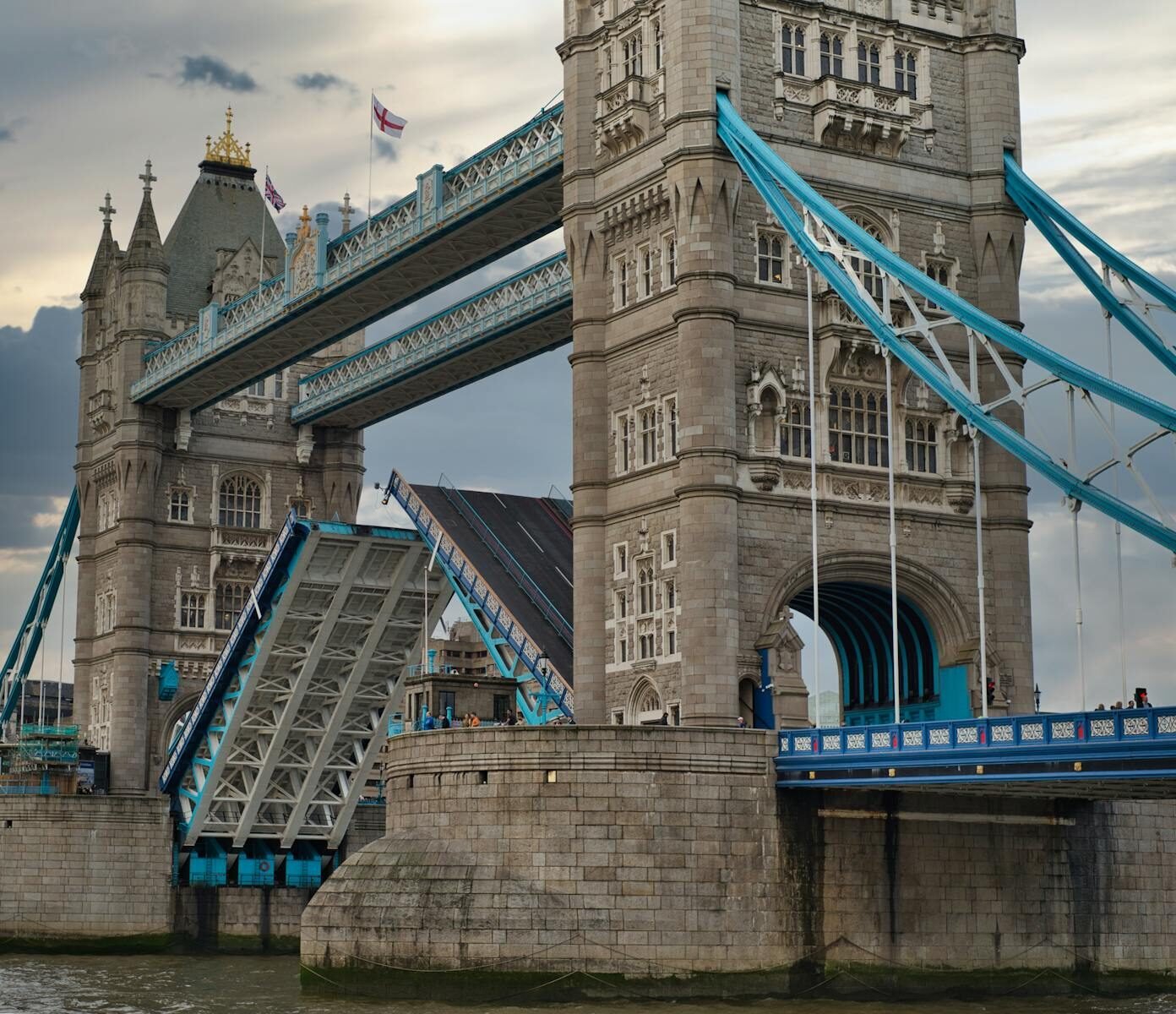
Captivating image of Tower Bridge in London with its iconic drawbridge raised.

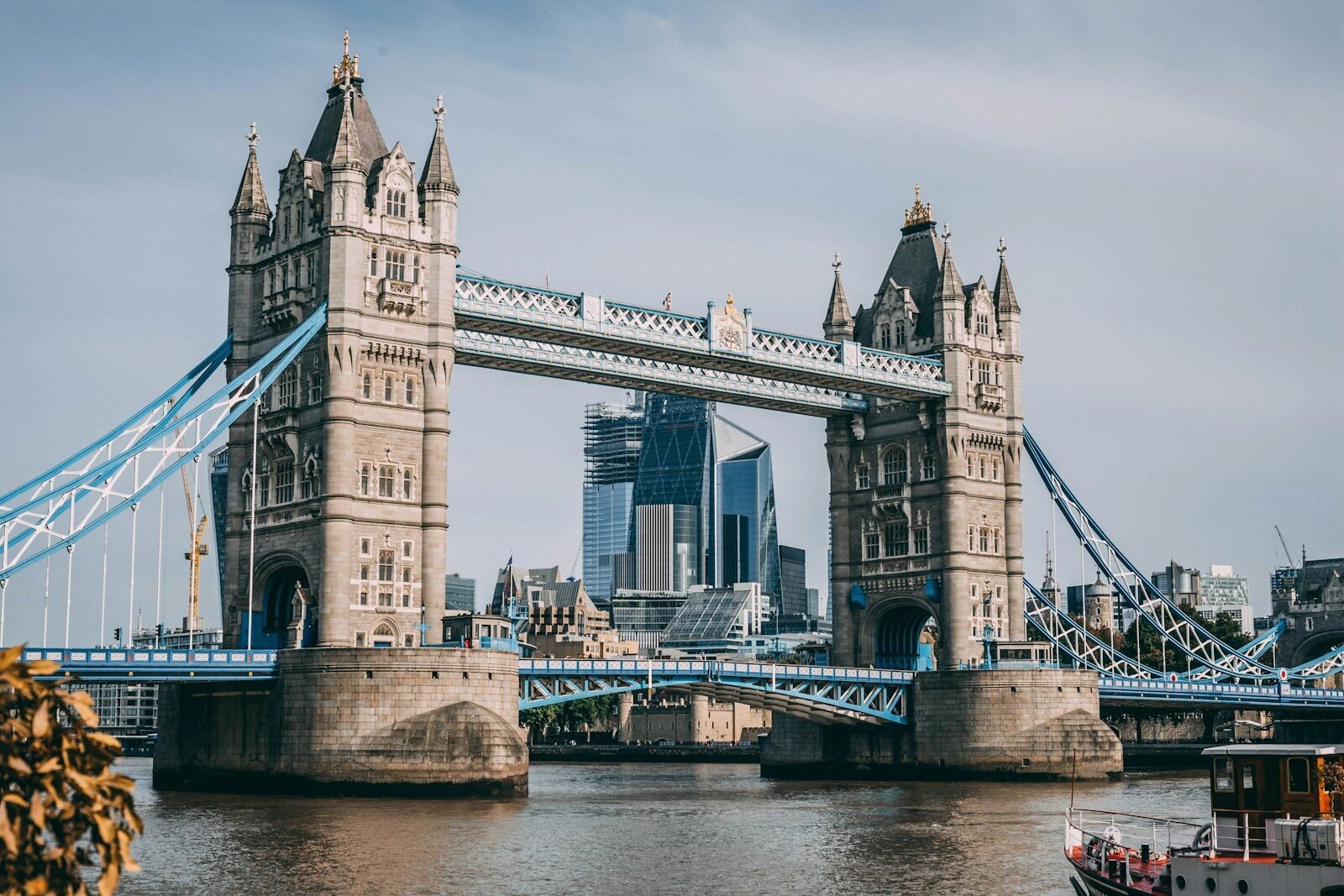
Just beside the Tower of London, Tower Bridge is one of the city’s most recognisable landmarks. Its twin towers, blue suspension elements and river views make it one of the best photo stops in East London. You can admire it from the riverbank, walk across it for views of the Thames, or combine it with a riverside route towards Wapping, Shad Thames or St Katharine Docks.

This part of East London is especially atmospheric in the early morning or around sunset. The mix of historic stone, river traffic, modern buildings and old warehouses gives the area a strong sense of London’s past and present.

3. Shoreditch Street Art

Shoreditch is one of East London’s most famous creative districts. It is known for street art, independent shops, bars, galleries, cafes and nightlife. The area around Shoreditch High Street, Great Eastern Street, Rivington Street, Redchurch Street and Brick Lane is filled with murals, stencils, posters and changing urban artworks.

One of the best things to do in Shoreditch is simply walk without rushing. The street art changes regularly, so even repeat visitors can discover something new. It is also a great area for photography, especially if you enjoy colourful walls, side streets, vintage signs and urban details.

4. Brick Lane

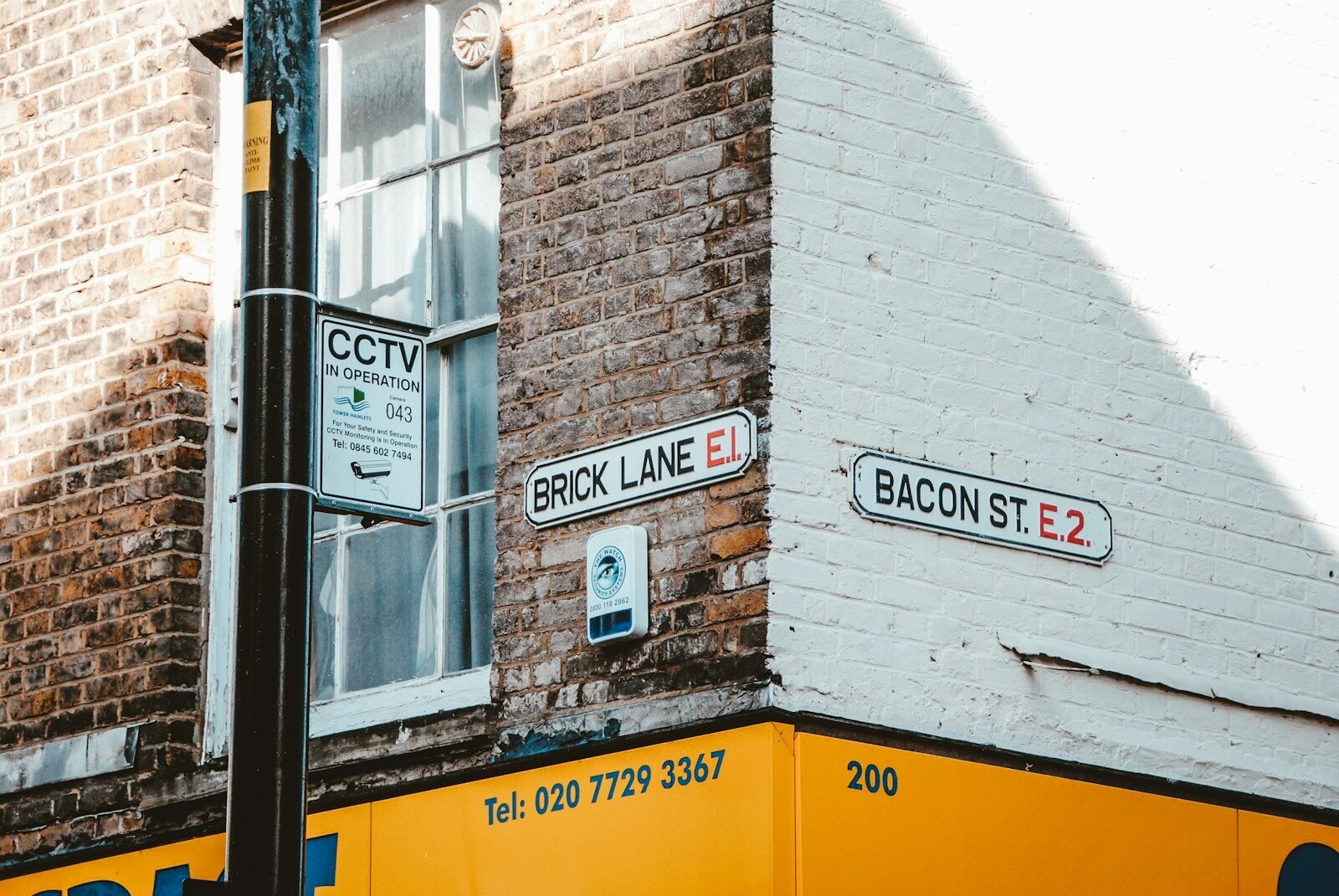
white and black wooden signageBrick Lane is one of the most characterful streets in East London. It is famous for curry restaurants, bagel shops, vintage stores, street food, markets and street art. The area reflects London’s long history of migration and cultural change, with influences from Jewish, Bangladeshi, Huguenot and other communities.

Visit on a weekend if you want the liveliest market atmosphere, with food stalls, second-hand clothes, records, art, antiques and independent traders. During the week, Brick Lane is quieter and better for relaxed photography, coffee stops and exploring side streets.

5. Old Spitalfields Market

Old Spitalfields Market is one of the best places in East London for food, shopping and atmosphere. Set inside a historic market building, it offers a mix of independent stalls, fashion, gifts, design, restaurants and casual food options. It is close to Liverpool Street, Shoreditch and Brick Lane, making it easy to include in a walking route.

The market is especially useful if the weather is poor, as much of it is covered. It is also a good lunch stop during a day of sightseeing. Around the market, you can explore historic streets such as Fournier Street and Princelet Street, which add another layer of East End character.

6. Columbia Road Flower Market

Columbia Road Flower Market is one of the most colourful attractions in East London. Held on Sundays, it fills the street with flower stalls, plants, independent shops, cafes and crowds of locals and visitors. It is busy, noisy and full of personality, especially in the morning when traders call out their offers.

Even if you do not plan to buy flowers, Columbia Road is worth visiting for the atmosphere. It pairs well with a Sunday walk through Shoreditch, Hoxton, Broadway Market or Victoria Park.

7. Queen Elizabeth Olympic Park

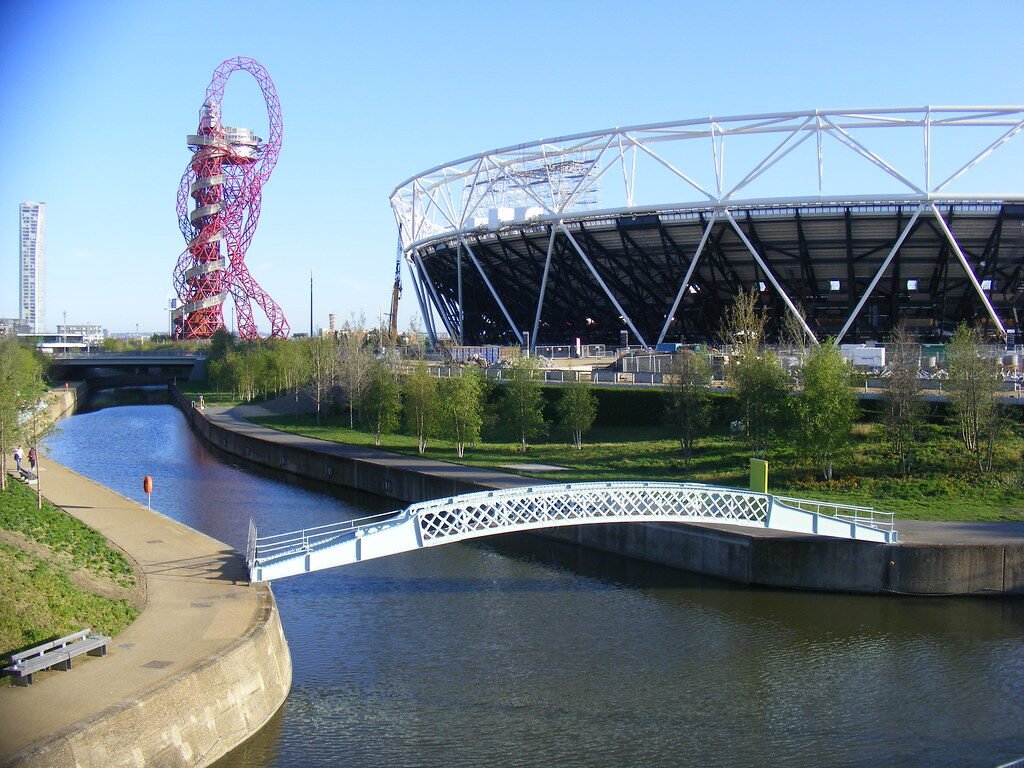
Queen Elizabeth Olympic Park in Stratford is one of East London’s biggest modern attractions. Created around the legacy of the London 2012 Olympic and Paralympic Games, the park includes wide open spaces, waterways, gardens, playgrounds, sports venues, public art and event spaces. It is a strong choice for families, sports fans and travellers who want a more open, contemporary side of East London.

The park is free to visit and covers a large area, so allow time to walk, relax and explore. It is also close to Stratford station and Westfield Stratford City, making it easy to combine green space, shopping, food and entertainment in one trip. For current visitor details, see the official Queen Elizabeth Olympic Park visitor information page.

8. London Museum Docklands

London Museum Docklands is one of the best museums for understanding East London’s relationship with the River Thames, trade, migration and maritime history. Located in a historic warehouse at West India Quay, the museum tells the story of London’s docks and the communities shaped by them.

It is a great attraction for visitors who want context beyond sightseeing. The surrounding Docklands area also offers waterside walks, views of Canary Wharf and a very different atmosphere from Shoreditch or Brick Lane. Check the official London Museum Docklands visitor information page before you go.

Suggested One-Day East London Itinerary

Start your day at the Tower of London and Tower Bridge, then walk or take public transport towards Spitalfields. Stop at Old Spitalfields Market for lunch, then continue to Brick Lane and Shoreditch for street art, vintage shopping and cafes. If it is Sunday, include Columbia Road Flower Market in the morning before heading south towards Brick Lane.

For a longer day, travel east to Stratford in the afternoon and explore Queen Elizabeth Olympic Park. Alternatively, head to Docklands for London Museum Docklands and a waterside walk around Canary Wharf. This itinerary gives you a strong mix of history, food, markets, art and modern East London.

Best Time to Visit East London

East London can be visited year-round. Weekends are best for markets and lively street life, while weekdays are better for quieter photography and easier restaurant bookings. Spring and autumn are especially pleasant for walking, but the area has enough indoor attractions, museums, cafes and covered markets to work well in winter too.

If you want the most atmosphere, plan your visit from late morning into the evening. East London changes throughout the day, from coffee and markets to dinner, bars, music and nightlife.

Final Thoughts

The main attractions in East London show the capital at its most varied. You can explore royal history at the Tower of London, photograph Tower Bridge, eat your way through Brick Lane, browse Old Spitalfields Market, admire street art in Shoreditch, enjoy flowers on Columbia Road, relax in Queen Elizabeth Olympic Park and learn about river history at London Museum Docklands.

For travellers who want a richer and more local London experience, East London is one of the best areas to explore. It is historic, creative, diverse and full of energy, making it an essential part of any well-rounded London itinerary.

Tours to London East End: Street Art, Markets, Food and History

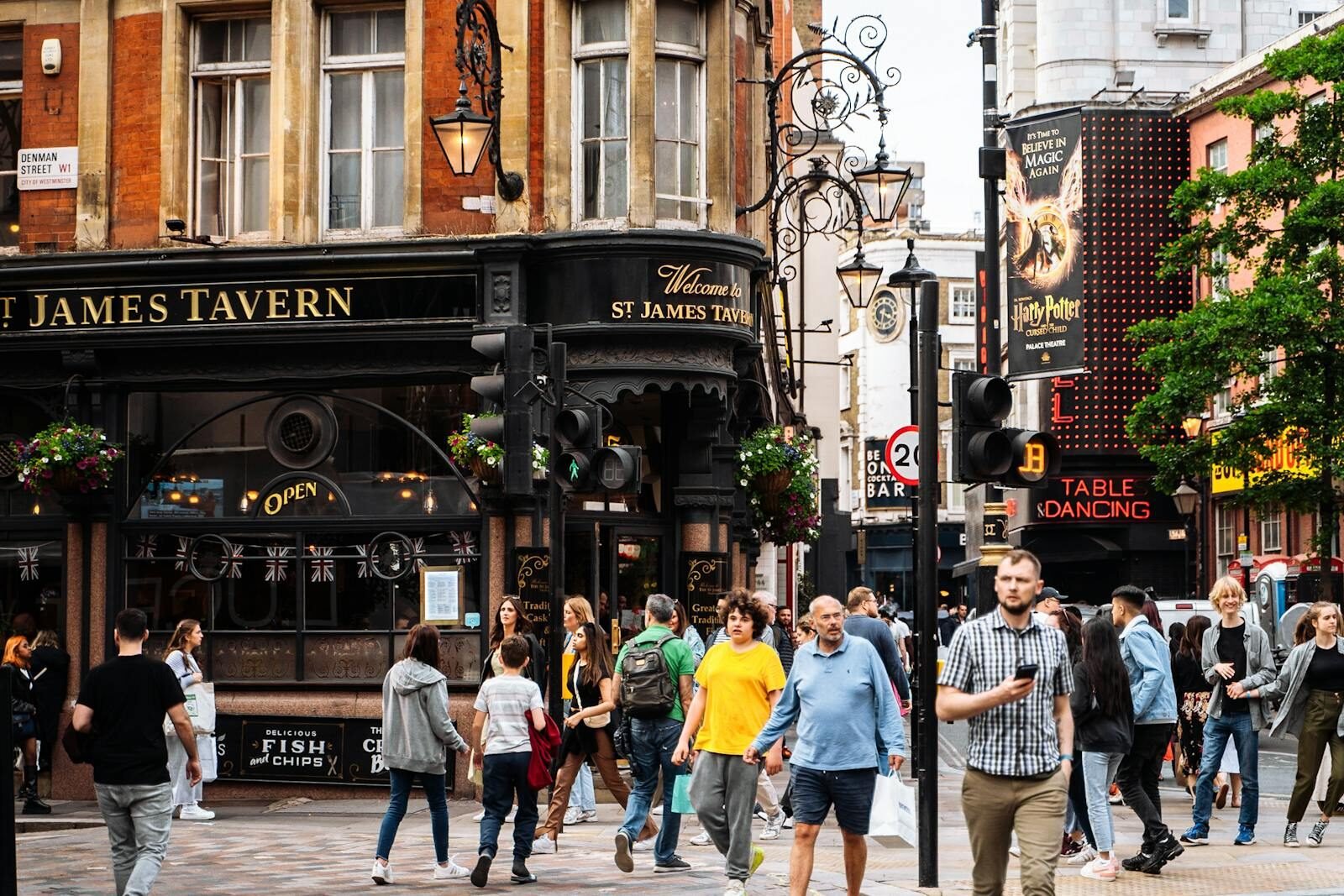
Busy street scene with pedestrians outside St. James Tavern in London, capturing the lively urban atmosphere.
Tours to London East End are among the best ways to discover a side of the capital that is creative, historic, multicultural and constantly changing. While many first-time visitors focus on Westminster, Buckingham Palace and the West End, the East End offers a different London: street art, markets, migration stories, old docks, independent food, contemporary galleries and atmospheric neighbourhoods shaped by centuries of change.

For travellers who enjoy walking, photography, food and local culture, an East End tour can be one of the most memorable experiences in London. The area is best explored slowly, with time to look at painted walls, hidden courtyards, market stalls, historic streets and small details that are easy to miss without a guide or planned route. From Shoreditch and Brick Lane to Spitalfields, Whitechapel and Docklands, East London is packed with sights and attractions that work perfectly as part of a half-day or full-day tour.

Why Take a Tour of London’s East End?

The East End is layered with history. It has been home to waves of migrants, dock workers, artists, traders, makers and communities from around the world. This has created one of London’s richest cultural landscapes. A good East End tour helps you understand how these stories connect, rather than simply moving from one attraction to another.

It is also one of the best parts of London for walking. Many of the most interesting sights are close together, especially around Shoreditch, Spitalfields and Brick Lane. You can explore street art in the morning, browse a market at lunchtime, visit a gallery in the afternoon and end the day with food from one of the area’s many global cuisines.

Best Areas for London East End Tours

1. Shoreditch: Street Art and Creative Culture

An urban scene of a barber shop with colorful graffiti art and parked bicycles in London.Shoreditch is one of the most popular starting points for East End tours. Known for street art, independent shops, lively bars and creative spaces, it gives visitors an immediate sense of East London’s modern energy. Walls, shutters and side streets are covered with murals, stencils, posters and graffiti, making the area ideal for photography and guided street art walks.

The best route usually includes Shoreditch High Street, Great Eastern Street, Rivington Street, Redchurch Street and the streets leading towards Brick Lane. The artworks change regularly, so even repeat visitors can see something new. For an official overview of the area, Visit London’s guide to Hoxton and Shoreditch is a useful place to start planning.

2. Brick Lane: Food, Markets and Multicultural London

Brick Lane is one of the most famous streets in the East End and a highlight of many London East End tours. It is known for curry restaurants, bagel shops, street food, vintage stores, market stalls and colourful street art. The area reflects London’s long history of migration, with cultural influences from Jewish, Bangladeshi, Huguenot and other communities visible in its food, buildings and street life.

A Brick Lane tour can focus on food, history, photography or markets. Weekend visits are especially lively, when the surrounding markets fill with vintage clothing, records, antiques, design pieces and international food stalls. Visit London’s page on Brick Lane Market provides practical visitor information and transport guidance.

3. Spitalfields: Markets and Historic Streets

Spitalfields is perfect for travellers who want a mix of old and new. The area has historic streets, Georgian houses, market buildings, restaurants, shops and links to London’s trading past. It is close to both Brick Lane and Liverpool Street, which makes it easy to include in a walking tour.

Old Spitalfields Market is one of the area’s main attractions. It combines food, fashion, crafts, gifts and independent traders in a covered market setting. It is a good stop for lunch or a relaxed break during an East End itinerary. Around the market, streets such as Fournier Street and Princelet Street add historic character and are often included on guided walks about migration, architecture and local life.

4. Whitechapel: Art, History and Urban Change

Whitechapel is one of the most historically significant areas in the East End. It has long been associated with migration, social reform, markets, medicine, art and urban change. Today, it offers a fascinating mix of old buildings, busy streets, cultural institutions and contemporary London life.

One of the key cultural stops is Whitechapel Gallery, a major East London art institution with exhibitions, events and displays. It works well as part of a tour that combines history and modern culture. Check the official Whitechapel Gallery visitor information page before planning your visit.

5. Docklands: Maritime History and Riverside London

For travellers interested in London’s river, trade and maritime past, Docklands is an excellent addition to an East End tour. The area tells the story of London as a port city, from warehouses and trade routes to modern redevelopment around Canary Wharf. It offers a different atmosphere from Shoreditch and Brick Lane, with riverside walks, historic docks and striking views of modern London.

The best place to understand this history is London Museum Docklands. The museum explores hundreds of years of dockland history and is a strong choice for visitors who want context beyond a simple sightseeing walk.

Types of East End Tours to Consider

Street art tours are ideal for first-time visitors to Shoreditch and Brick Lane. A guide can explain the artists, techniques, changing walls and hidden pieces you might otherwise miss.

Food tours are perfect for Brick Lane, Spitalfields and Whitechapel. These can include curry, bagels, street food, sweets, market snacks and stories about the communities that shaped local food culture.

History tours are best for travellers who want to understand the East End’s deeper identity. These walks often focus on migration, poverty, trade, religion, social reform, crime, industry and working-class London.

Photography tours suit visitors who want striking urban images. Shoreditch murals, market scenes, old shopfronts, narrow streets and Docklands views all provide excellent photo opportunities.

Suggested One-Day East End Tour Itinerary

Start your day at Liverpool Street or Shoreditch High Street station. Walk north into Shoreditch to see street art around Great Eastern Street and Rivington Street, then continue towards Brick Lane. Spend time exploring side streets, vintage shops and murals before stopping for lunch at a food market or casual restaurant.

In the afternoon, walk to Spitalfields for market browsing and historic streets. Continue towards Whitechapel if you want art and local history, or take public transport to Docklands for a museum visit and riverside views. This route gives you a strong mix of East End highlights without trying to cover too much ground.

Tips for Booking London East End Tours

Choose your tour based on your interests. If you love photography, book a street art walk. If you care about culture and migration, choose a history or food tour. If you prefer flexibility, create a self-guided route using official visitor information and leave time for spontaneous stops.

Wear comfortable shoes, as East End tours usually involve a lot of walking. Bring a camera or phone with enough battery, especially if you are visiting Shoreditch and Brick Lane. Weekends are best for markets, while weekdays can be better for quieter streets and easier photography.

Final Thoughts

Tours to London East End reveal one of the capital’s most exciting and meaningful areas. This is where history, migration, creativity, food and urban culture meet. Whether you join a guided walk or plan your own route, the East End offers a rich alternative to London’s classic sightseeing trail. From Shoreditch street art and Brick Lane food to Spitalfields markets, Whitechapel culture and Docklands heritage, East London is a destination that rewards curiosity at every turn.