Driving as a Tourist in London: Tips and Considerations

Driving in London can be both an exciting and challenging experience for tourists. With a city as vast and diverse as London, it’s important to be prepared for the unique challenges of driving in a busy, bustling city. Whether you’re planning to rent a car or bring your own vehicle, there are several things to keep in mind to ensure a safe and enjoyable driving experience.

Rules of the Road

Blue Classic Car Near Westminster PalaceBefore setting off on your journey, it’s important to familiarize yourself with the rules of the road in London. In the UK, motorists drive on the left-hand side of the road, and roundabouts are common. Speed limits are in miles per hour, and are typically 30 mph in urban areas, 60 mph on dual carriageways, and 70 mph on motorways. London has a congestion charge zone which applies during specific times and weekdays, so it’s important to be aware of this if you plan on driving within the city center. Additionally, London has low emission zones where vehicles that do not meet emission standards may be charged to enter the zone.

Navigating the City

Navigating the city can be a challenge, especially for first-time visitors. It’s important to have a reliable map or GPS system to ensure that you don’t get lost or end up in the wrong part of town. London has a complex network of roads and highways, and traffic can be heavy during peak hours. It’s important to plan your route in advance and leave plenty of time to reach your destination.

Parking

Finding parking in London can be a challenge, especially in the city center. There are several options for parking, including on-street parking, car parks, and parking garages. On-street parking can be expensive and difficult to find, especially during peak hours. It’s recommended to park in a secure car park or parking garage to ensure the safety of your vehicle.

Public Transportation

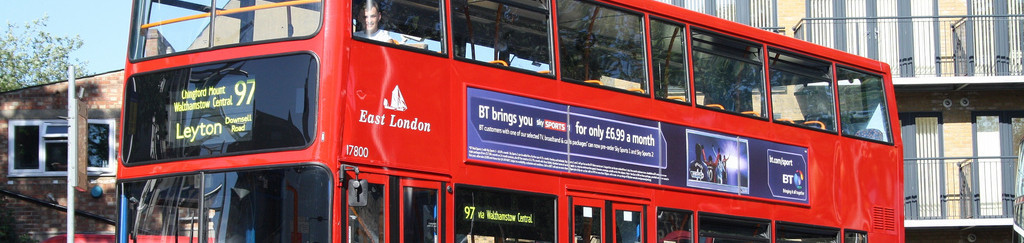
London has an extensive public transportation network, including the famous red double-decker buses, the underground, and overground trains. Using public transportation can be a convenient and cost-effective way to get around the city, especially if you’re only visiting for a few days.

Car Insurance

Policeman Riding a HorseCar insurance is a legal requirement in the UK, and it’s important to ensure that you have adequate coverage before driving in London. If you’re renting a car, the rental company should provide insurance coverage as part of the rental agreement. However, it’s important to check the details of the insurance policy to ensure that it provides adequate coverage for your needs.

If you’re bringing your own vehicle to London, it’s important to notify your insurance provider before your trip. Some insurance policies may not provide coverage for driving outside of your home country, or may have limitations on coverage in foreign countries. It’s important to check the details of your policy and purchase additional coverage if necessary.

Additionally, it’s important to be aware of the minimum legal requirements for car insurance in the UK. Third-party insurance is the minimum legal requirement, which covers damage or injury to third parties in the event of an accident. However, it’s recommended to purchase comprehensive insurance, which provides coverage for damage to your own vehicle in addition to third-party coverage.

Before driving abroad on your car you should check sites like bilforsikring.net and europe.eu to learn more about car insurances.

Driving in London can be a thrilling experience for tourists, but it’s important to be prepared for the unique challenges of driving in a busy city. By familiarizing yourself with the rules of the road, planning your route in advance, and ensuring that you have adequate car insurance coverage, you can enjoy a safe and enjoyable driving experience in London. Additionally, public transportation is a convenient and cost-effective alternative to driving, especially for short trips within the city center.

Driving routes not to miss on a road trip in the UK

While the busy cities and popular tourist attractions can seem a little crowded on a road trip in the United Kingdom, there is always somewhere nearby to escape the noise. For this reason, having access to a car is priceless and an easy way to reach lesser-visited parts of the country for which England, Scotland, and Wales are best known. With that said, here are some of the best driving routes to make part of your travel itinerary when taking a road trip into the countryside:

Best driving routes for a road trip in the UK

Snake Pass, Peak District (England)

Living up to the name, Snake Pass is a winding road in the Peak District and often considered one of the most rewarding drives in the United Kingdom. Featuring awe-inspiring views of the countryside, the drive down into Glossop is nothing short of breath-taking and a nice prelude to the scenic road ahead. While the roads on Snake Pass are not advisable during bad weather conditions, the area is easily accessed from the nearby cities of Manchester and Sheffield.

Black Mountain Pass (Wales)

The Brecon Beacons is arguably the most famous National Park in Wales and home to a truly memorable drive through the most majestic mountains. Climbing and twisting through the Black Mountains, the roads here are immaculate with the only real danger being the rather spontaneous sheep that seem hell-bent on crossing the road any time a car is approaching. Although there are random speed cameras at the highest point, the mountains are very isolated, and it is often a case that it can feel like you have them all to yourself.

Selkirk to Moffat – A708 (Scotland)

Travelling alongside St Mary’s Loch, away from Selkirk, and into Yarrow Valley, you can begin what is known as the Scottish Borders Drive. Featuring a collection of tiny villages in between empty, barren mountain landscapes, this is possibly the best road trip in Scotland to become acquainted with the locals and rural life in the UK. In fact, the area is owned by the Scottish Trust, such is the importance of this cultural region, and with so many nature trails, birdlife and glorious scenery, it is easy to see why the locals are more than happy for this region to be protected so vigorously.

A686 – Penrith to Hayden Bridge (England)

Last but by no means least is the A686 in England. Starting out in the largely unassuming Penrith, this is a rather bland name for what is an exceptionally beautiful drive. Through dense forest and the charming village of Melmerby, the road begins in quite a subtle way before rising to the very top of Hartside Mountain. At the top, you will find a café to accompany the views and a very steep road down the other side. However, the next section is possibly the most impressive with unobstructed views from Alston to Hayden Bridge, which is the official end to this epic drive.

Remember Insurance

When driving in the United Kingdom you should have a valid car insurance. If you are a foreigner driving in UK these sites can help you in finding a car insurance:

Money Maxim, Bilforsikring, and uSwitch

London Eye Tickets: Standard vs Fast Track, Prices and Best Time to Visit

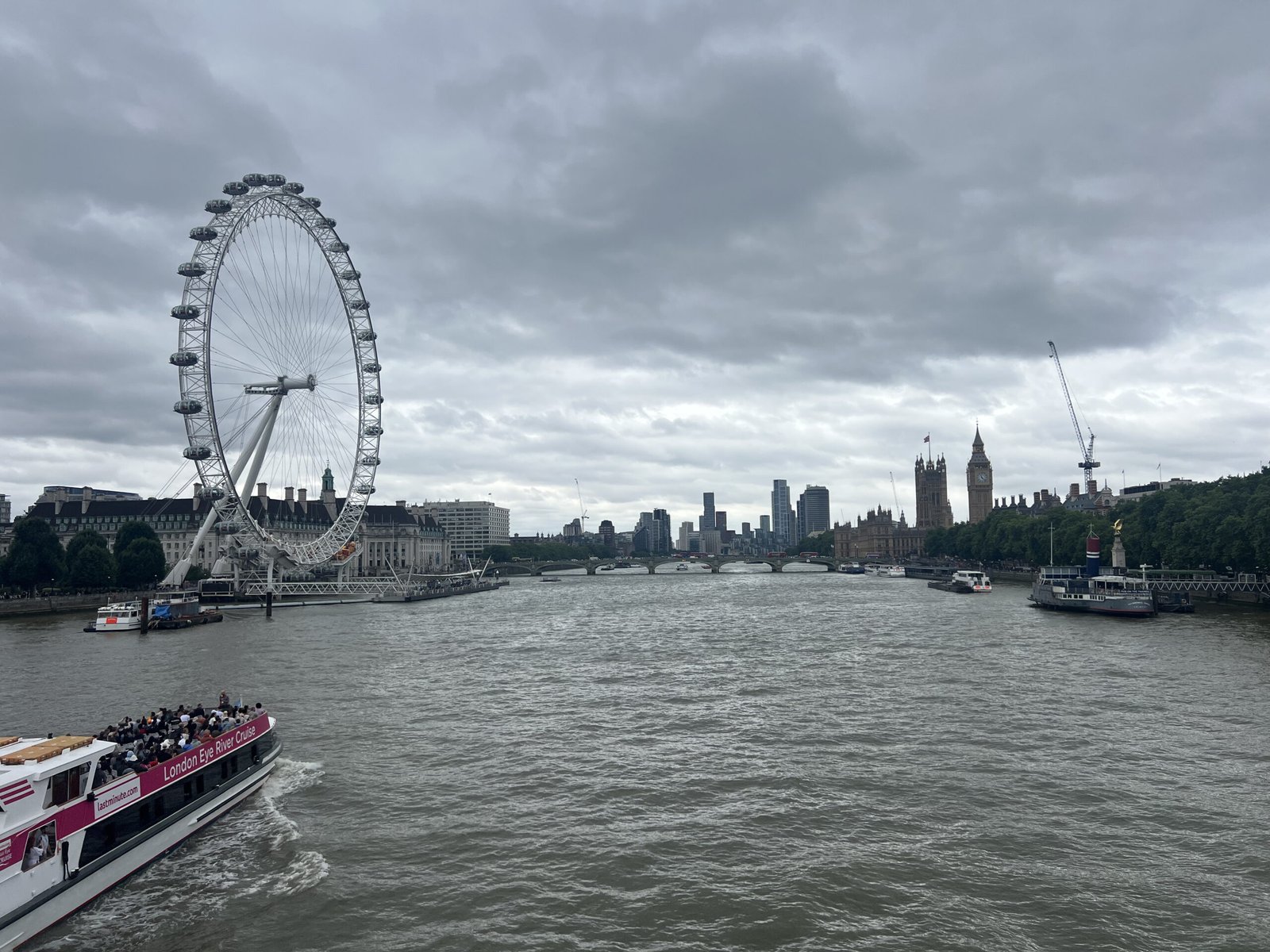
London Eye observation wheel on the South Bank of the River Thames in daylight

Which London Eye ticket should you buy: Standard, Fast Track or a flexible option? For most visitors, a timed Standard ticket booked online is the sensible starting point. Pay extra for priority entry only if your time is tight, you are travelling during a busy period, or standing in a queue is particularly difficult. The view and the roughly 30-minute rotation are the same: the extra money mainly changes how you get on.

Here is how to compare ticket types, real prices, expected queues and the best times to visit. This guide also shows how to combine the South Bank attraction with a visit to East London rather than assuming the London Eye itself is in the East End.

Advertisement

Compare London Eye admission tickets

Check the available date, Standard or priority-entry option, age bands and final total for the London Eye entry ticket on GetYourGuide. Before buying, compare it with the official London Eye ticket page; third-party and operator cancellation or rescheduling conditions may differ.

London Eye observation wheel beside the River Thames in daylight
The London Eye stands on the South Bank opposite Westminster, not in East London.

Standard vs Fast Track: a quick decision guide

Your situation Best starting point Important detail
Flexible schedule, weekday or off-peak visit Timed Standard ticket Lowest regular entry tier; queue at your selected time
Short visit, busy school holiday or need to reduce queuing Fast Track, if offered for your date Separate priority queue; it does not make the rotation longer
Uncertain arrival time Flexi Fast Track Priority entry at any time on your chosen day under its terms
Planning several paid attractions Official multi-attraction pass Check every attraction and book separate slots where required

Do not buy Fast Track expecting a different view or a private capsule. Standard and priority-entry customers ride in the same type of shared glass pod. A private-pod booking is a separate, considerably more expensive product.

Advertisement

How much do London Eye tickets cost?

Prices vary by date and demand. As checked against the operator’s published price list on 5 November 2026, an adult Standard ticket starts at £29 when booked online in advance, compared with a £39 walk-up price. Children aged 2–15 start at £26 online, compared with £35 at the attraction; children under two need a free ticket. These are operator starting prices, not a promise that the same fare is available for your chosen slot or on GetYourGuide.

For more flexibility, the operator lists Flexi Fast Track from £49 per adult online. This is not automatically the best value: it costs at least £20 more than the advertised Standard starting fare. If you already know when you will arrive, compare the price and privileges of any ordinary timed Fast Track option instead of paying for flexibility you do not need. A five-attraction pass has been advertised from £59, but only makes sense if you will genuinely use the included attractions and arrange their time slots.

Check the live official price list and the product’s own inclusions immediately before purchase. Tour aggregator prices, currencies, cancellation policies and fast-track availability may differ from the operator’s.

Does Fast Track skip the whole queue?

No. It gives access to a shorter priority line, not instant entry or an exemption from security checks. According to the London Eye’s official visitor FAQ, a quiet-day Standard queue is around 20–30 minutes while Fast Track is around 5–10 minutes. At busy times, waits can reach an hour or longer, and neither queue has a guaranteed maximum.

A detail many visitors miss: your booked timeslot is the time you join the queue, not the moment your pod starts its rotation. The operator says you cannot join before that time and provides a short late-arrival grace period. Allow extra time for ticket checks, bag checks and boarding, particularly if you have another timed booking afterwards.

When is the best time to ride?

For shorter queues, choose early opening or later in the day if the operator’s guidance and your sightseeing plan align. Sunset can be beautiful, but it is an attractive slot to many other visitors too. Summer weekends and school holidays typically bring more demand; a quieter weekday may make the Standard ticket a better deal.

Weather changes the experience. On a clear day you can pick out a broad sweep of central London; in low cloud or heavy rain, distant details become harder to see. If the view matters more to you than a particular date, avoid committing too far ahead without checking the booking terms. Opening hours are date-specific and maintenance closures occur, so do not rely on a generic winter timetable. The official London Eye calendar is the right place for your actual date.

How long do you need, and where is the London Eye?

The rotation takes about 30 minutes, but that is only part of the visit. Allow roughly 60–90 minutes overall for a typical Standard visit including the queue, plus more during peak times. Add a little time for photographs from the riverbank; Westminster Bridge and the area around County Hall are useful viewpoints even if you do not ride.

The London Eye is at the Riverside Building, County Hall, Westminster Bridge Road, London SE1 7PB. It is on the South Bank, directly across the Thames from the Palace of Westminster. Waterloo is the closest major Underground and rail station, about a five-minute walk away; Westminster, Embankment and Charing Cross are also practical. See the operator’s directions and travel guidance. Driving to this central location rarely improves the visit.

Families, access and things to check before you book

London Eye pods are enclosed and move slowly, making the ride straightforward for many families. Children aged 15 and under must be accompanied by an adult aged at least 18, according to the operator. Children under two still need to be included on the booking. Prams and pushchairs must be folded for the boarding queue and remain folded during the experience. Large suitcases are not allowed; check luggage arrangements before leaving your hotel.

The operator offers accessibility support and assisted boarding. Visitors who need help queuing should check the current accessibility and visitor information in advance rather than assuming a normal Fast Track upgrade is the only option. Wheelchair capacity in pods is managed for safety; contact the attraction about any specific arrangements you require. Your ticket may be flexible in some respects and restrictive in others, so read the named ticket’s own terms, especially for rescheduling and refunds.

How to combine the London Eye with East London

Start at the London Eye and enjoy the South Bank, then head east later in the day. If you want historic London, use our detailed Tower of London tickets and Crown Jewels guide to see what regular admission includes. Budget several additional hours for the Tower rather than treating it as a quick photo stop.

For a less ticket-heavy afternoon, our Shoreditch guide covers street art, neighbourhood character and food. The East London attractions overview helps you decide what suits your interests. If modern skyline photography appeals to you, consider Canary Wharf and its waterside architecture. You will need separate transport and time for these neighbourhoods: none is included in a London Eye admission ticket.

Advertisement

Review dates and ticket types: London Eye entry on GetYourGuide.

Final verdict: is the London Eye worth it?

If you are visiting London for the first time and enjoy elevated city views, the London Eye is a memorable, easy-to-understand experience. Its 30-minute duration is both an advantage and a limitation: you can fit it into a wider day, but the full outing and its price may feel substantial if visibility is poor or you dislike queues. For most visitors, start with an online Standard ticket and put the saved money toward other parts of London. Buy priority entry when the time it may save is worth the extra cost to you.

Before booking: confirm the exact date, ticket category, final amount, queue type, child ages and cancellation policy; check the operator’s official schedule and weather outlook. The activity linked here is GetYourGuide tour 170451, London: The London Eye Entry Ticket, and does not guarantee a specific price, queue time or fast-track inclusion.

Image credit: Photograph: Fatih Renkligil / Wikimedia Commons, CC BY-SA 4.0; resized by WordPress for web display. Fact check: official London Eye price list and visitor FAQs consulted 5 November 2026.

Tower of London Tickets: Crown Jewels, Entry and Guided Tours Explained

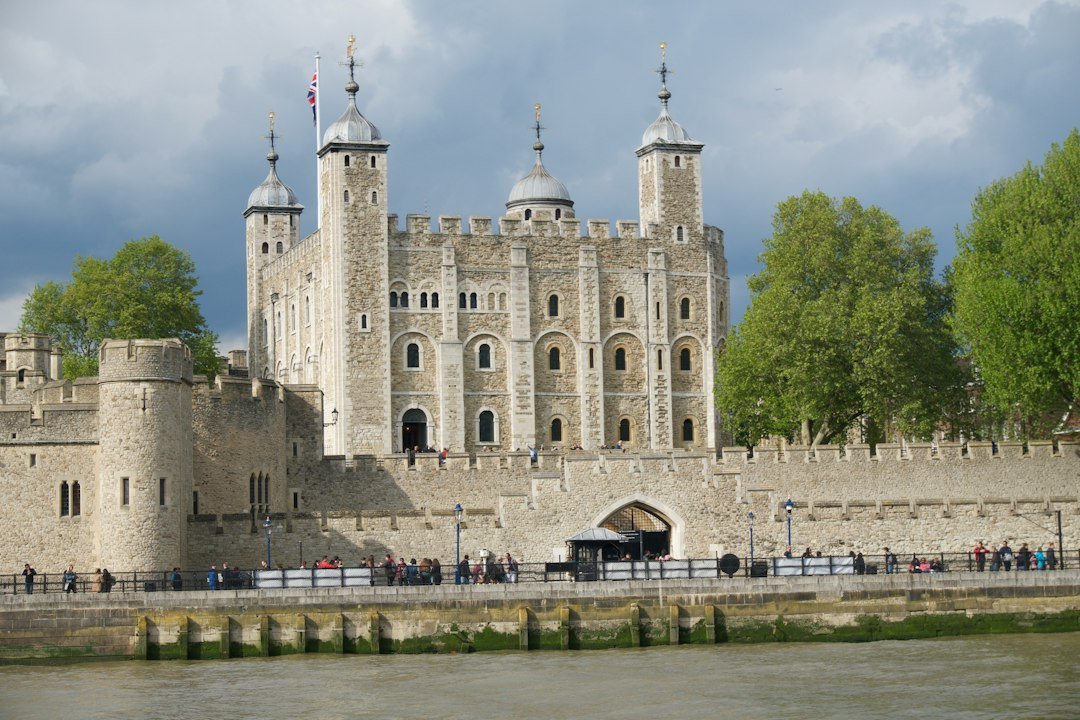
Tower of London stone walls and towers beside the River Thames under a grey sky

Do you need a special Tower of London ticket to see the Crown Jewels? No. Standard Tower of London admission includes the Crown Jewels, the White Tower and the other public areas open on the day. It also includes the famous Yeoman Warder (Beefeater) tour, subject to availability. The decision is therefore less about buying a “Crown Jewels upgrade” and more about choosing between ordinary admission, a guided add-on and a special early-entry experience.

Advertisement

Booking option: Tower of London & Crown Jewels

If you want standard admission rather than a paid private guide, compare the exact date, inclusions and cancellation terms for this ticket against the official Tower website. The Crown Jewels are included in ordinary admission; you do not need to buy a separate “jewels ticket”.

View Tower of London entry tickets on GetYourGuide

Tower of London stone walls and towers beside the River Thames under a grey sky
The Tower of London overlooking the Thames, where almost a thousand years of royal history are gathered in one complex.

Which Tower of London ticket should you choose?

For most first-time visitors, a normal admission ticket is the best starting point. A guide can be worthwhile for travellers who want a more structured account of the Tower’s history, but it is not required to see its principal attractions.

Advertisement

Explore experiences with GetYourGuide
Your priority Best option What to check
Crown Jewels and main historic buildings Standard admission Date, entrance time and open areas
A lively introduction from a Beefeater Standard admission, then join an included Yeoman Warder tour Tour availability; no advance reservation of tour places
Smaller-group interpretation or a specific language A separate hosted or guided experience Whether Tower admission and Crown Jewels entry are included
Access before general opening Official special experience, if offered Exact early-access privileges and any restrictions

As checked on 4 November 2026, the Tower’s official published ticket price excluding an optional donation was £38 for an adult and £19 for a child aged 5–15. Those are the operator’s prices, not a promise about a third-party reseller’s checkout price. Compare the final cost for your date, including any booking fees, before paying. See the official Tower of London visitor page for the latest prices.

Are the Crown Jewels included in standard admission?

Yes. The Crown Jewels are housed in the Jewel House inside the Tower of London. General admission includes access to the exhibition; there is no need to buy a second ticket to see the jewels. Your ticket also covers places such as the White Tower, the battlements, Tower Green and the Bloody Tower when those areas are open. Conservation work, events or operational needs can occasionally restrict individual rooms.

Some online listings make the Crown Jewels sound like an extra attraction because they feature them prominently in the title. Read the actual inclusion list rather than assuming that a higher ticket price buys exclusive access. The official inclusions guide is the clearest reference.

Do you need a guided tour?

Not necessarily. The Tower can be explored independently, and the Yeoman Warder tour is already included with normal admission. These tours mix the fortress’s history with anecdotes about its royal residents, prisoners and ceremonies. They are popular for good reason, but places cannot be reserved ahead of time; the visit and route may also vary with weather or crowds.

Choose an additional paid guided tour if you specifically want a particular language, a small-group format, dedicated time for questions or a combined walking itinerary outside the Tower. Check whether the seller is describing a tour inside the Tower, an orientation outside its gates, or simply someone who escorts the group to the entrance. These are very different experiences.

The official Yeoman Warder tour information explains what is included and how to join the tour after entry.

How much time should you allow?

Plan on at least three hours if you intend to see the Crown Jewels, explore the White Tower and catch a Yeoman Warder tour without rushing. Two hours can work for a selective visit, but it leaves little margin for queues, especially during school holidays. Travellers interested in the exhibitions and medieval buildings may happily spend half a day.

A practical order is to arrive near your booked entry time, check the next Yeoman Warder tour, visit the Jewel House when the queue seems manageable and leave enough time for the White Tower. The Crown Jewels are the main priority for many visitors, so avoid leaving them until just before closing. There is generally no re-entry after you exit the site.

When should you visit, and how do you get there?

The Tower stands beside the Thames at London EC3N 4AB, near Tower Bridge. Tower Hill Underground station is an easy choice, with Tower Gateway DLR also nearby. If you are exploring the East End on foot, it fits naturally with the historic waterfront and the City fringe. For a wider itinerary, see our guide to East London’s main attractions.

Winter opening hours are shorter than in summer. On 4 November 2026 the operator listed 09:00–16:30, with last entry at 15:00. Do not assume these times apply to another date: check the official calendar for your visit and any temporary closures.

If your day includes other districts, consider pairing the Tower with a separate afternoon in Shoreditch for street art and food. Alternatively, a riverside afternoon and Canary Wharf’s architecture and waterfront give you a contrast between the city’s medieval and modern eras. Those additional neighbourhoods require time and travel; they are not part of a Tower ticket.

Families, accessibility and common mistakes

Children often enjoy the ravens, armour and stories of the castle, although some displays and accounts of executions may be unsettling for younger visitors. The White Tower has stairs, and some paths are cobbled or uneven. The Crown Jewels exhibition has level access, but wheelchair access to the wider historic site is limited. The Tower’s detailed accessibility information is especially important for anyone who needs step-free routes.

Three booking mistakes are easy to avoid: paying for a “Crown Jewels extra” you do not need, assuming a third-party “guided” ticket guarantees a Beefeater tour at a specific time, and booking the last available admission slot without allowing enough time for the site. Read the cancellation conditions on the exact ticket you select, not just the headline on the search page.

Advertisement

Explore experiences with GetYourGuide

Is the Tower of London worth visiting?

If you enjoy British history, castles or major London landmarks, the Tower justifies a substantial part of a day. It is particularly appealing because ordinary admission covers several very different experiences: the regalia in the Jewel House, Norman architecture, royal stories, prison history and views along the Thames. If your interest is only a quick photograph of Tower Bridge, you can enjoy the riverside outside without buying a ticket.

Bottom line: start with standard admission for the Crown Jewels and the included Yeoman Warder tour. Pay more only when the extra service—such as a private guide, guaranteed special experience or combined excursion—has value to you. Always confirm the precise inclusions and final price before checkout.

Information checked: 4 November 2026. Tickets, opening times and tour availability can change; the official Historic Royal Palaces pages linked above are the primary source.

Photo credit: Gavin Allanwood / Unsplash, used under the Unsplash License; resized for web display.

Canary Wharf in London: Best Things to See and Do>

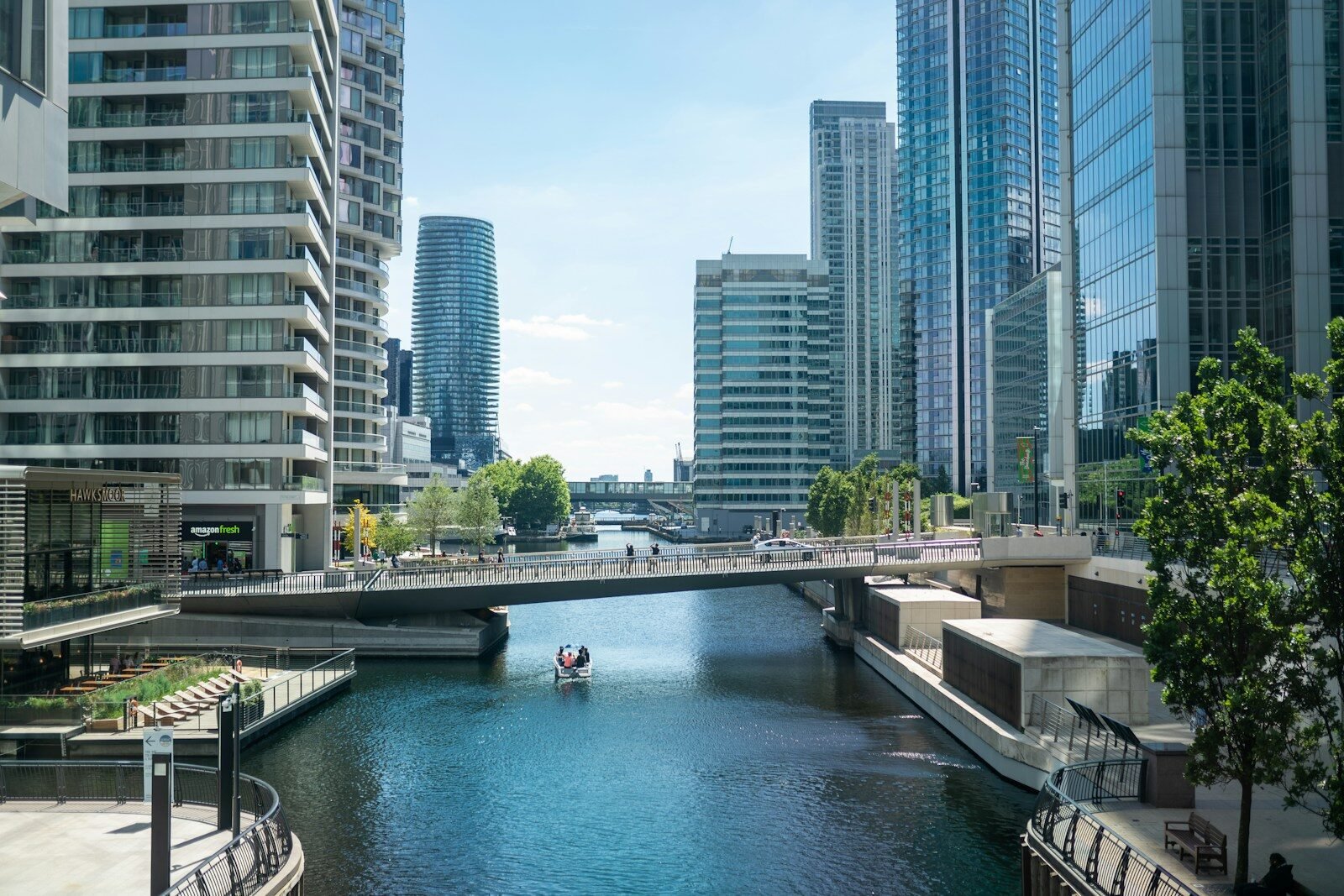
a river with a bridge and buildings

Canary Wharf in London is one of the capital’s most striking modern districts. Famous for its glass skyscrapers, waterside setting and financial centre, Canary Wharf is much more than a business area. Today, it is also a destination for shopping, restaurants, public art, rooftop gardens, riverside walks, museums and events. For visitors exploring East London, it offers a very different atmosphere from Shoreditch, Brick Lane or the historic City.

Set on the Isle of Dogs in London’s Docklands, Canary Wharf combines the story of London’s maritime past with the energy of a modern urban quarter. Old docks and warehouses sit close to high-rise offices, luxury apartments, landscaped squares and contemporary architecture. Whether you are visiting for a few hours or planning a full day in East London, Canary Wharf is a rewarding place to explore.

Where Is Canary Wharf?

Canary Wharf is located in East London, in the borough of Tower Hamlets. It sits beside the River Thames and the old West India Docks, east of the City of London and west of Greenwich. The area is very easy to reach by public transport. Canary Wharf has stations on the Jubilee line, Elizabeth line and DLR, as well as river services from Canary Wharf Pier.

Because of these transport links, Canary Wharf works well as part of a wider East London itinerary. You can combine it with London Museum Docklands, Greenwich, the O2, Tower Bridge, Stratford, Whitechapel or the City. Arriving by boat is especially memorable, as it gives you skyline views from the Thames before you step into the district.

Why Visit Canary Wharf?

The main reason to visit Canary Wharf is its contrast. It is sleek, modern and businesslike during the week, but it also has calm waterfront spaces, hidden gardens, restaurants, shops and cultural attractions. The area is clean, walkable and full of architectural drama, making it especially appealing for photography and city walks.

Canary Wharf is also a good choice in bad weather. Much of the shopping and dining is indoors, while the underground malls connect several parts of the estate. On sunny days, the docks, squares and river paths make it easy to enjoy the outdoors without leaving the city.

For an up-to-date overview of activities, see the official Canary Wharf See & Do guide.

Top Attractions in Canary Wharf

1. Crossrail Place Roof Garden

Crossrail Place Roof Garden is one of Canary Wharf’s most surprising attractions. Set above the Elizabeth line station, this elevated garden feels calm and sheltered despite being surrounded by towers and transport links. It features exotic planting, wooden walkways, seating areas and a distinctive roof structure that makes it popular with photographers.

The garden is a great place to pause during a Canary Wharf walk. It is also close to restaurants, shops and the Elizabeth line, making it easy to include even on a short visit. Check the official Crossrail Place Roof Garden page for visitor information.

2. London Museum Docklands

London Museum Docklands is one of the best attractions near Canary Wharf. Housed in a historic warehouse at West India Quay, the museum explores the history of London’s docks, trade, migration, slavery, the River Thames and the communities shaped by the port. It gives important context to the modern towers around Canary Wharf, reminding visitors that this area was once central to London’s global trading power.

The museum is free to visit and is ideal for families, history lovers and anyone who wants to understand East London beyond its skyline. It is only a short walk from the main Canary Wharf estate. Before going, check the official London Museum Docklands visitor information page.

3. Canary Wharf Shopping Centre

Canary Wharf is one of East London’s strongest shopping areas. Its malls include fashion, beauty, lifestyle, technology, homeware, cafes, restaurants and useful services. Unlike many outdoor shopping streets in London, Canary Wharf’s retail areas are largely sheltered, making them convenient during rain or winter weather.

The shopping district is not only practical; it is also part of the Canary Wharf experience. Shops and restaurants are connected by polished walkways, plazas and underground passages, giving the area a distinctive city-within-a-city feeling. Visit London’s guide to Canary Wharf shops gives a useful overview of the retail and dining options.

4. Public Art and Modern Architecture

Canary Wharf is one of the best places in London for modern architecture and outdoor public art. The tall towers, dockside reflections, bridges and open squares create strong visual lines, while sculptures and installations are spread throughout the estate. This makes Canary Wharf an excellent area for a self-guided photography walk.

Look for artworks in squares, gardens, lobbies and waterside spaces. The best time for photography is early morning, when the area is quieter, or late afternoon, when the glass buildings reflect the changing light. The official Canary Wharf art information notes that the estate has one of London’s largest outdoor public art collections, making it worth exploring slowly rather than rushing between attractions.

5. Riverside Walks and Dockside Views

Canary Wharf’s waterfront setting is one of its biggest strengths. The old docks, river paths and bridges offer views of the towers from different angles, while the Thames connects the district visually with Greenwich, the City and the wider Docklands. A simple walk around West India Quay, Middle Dock, South Dock and the riverfront is one of the best free things to do in Canary Wharf.

For a more scenic arrival or departure, use the river bus from Canary Wharf Pier. Uber Boat by Thames Clippers connects Canary Wharf with other parts of London by water, including central and eastern piers. The official Canary Wharf Pier page has practical travel details.

Food and Drink in Canary Wharf

Canary Wharf has a wide range of food and drink options, from quick lunches and coffee shops to waterside restaurants, wine bars, pubs and smart dining rooms. The area is especially busy during weekday lunchtimes and after work, but it has become increasingly attractive for weekend visitors too.

For a relaxed meal, look for restaurants around West India Quay, Crossrail Place, Jubilee Place, Canada Square and the riverfront. In warmer weather, outdoor seating near the water is one of the best ways to enjoy the area. In the evening, Canary Wharf’s lights reflect on the docks, giving the district a polished urban atmosphere.

Best Time to Visit Canary Wharf

Canary Wharf can be visited year-round. Weekdays are best if you want to see the district at its busiest, with office workers, restaurants and after-work energy. Weekends are usually calmer and better for relaxed walks, shopping and photography.

Spring and summer are ideal for outdoor spaces such as Crossrail Place Roof Garden, riverside walks and dockside terraces. Winter can also be enjoyable, especially because many shops, restaurants and transport links are indoors. If you enjoy city photography, visit around sunset for dramatic reflections and skyline views.

Suggested Canary Wharf Itinerary

Start at Canary Wharf station and walk to Crossrail Place Roof Garden. Spend time exploring the garden, then continue towards the shopping malls and Canada Square. From there, walk to West India Quay and visit London Museum Docklands. After the museum, follow the dockside paths for skyline views and stop for lunch or dinner near the water.

If you have more time, take a river boat from Canary Wharf Pier towards Greenwich, Tower Bridge or central London. This turns a simple visit into a scenic East London experience and gives you one of the best views of Canary Wharf’s towers.

Final Thoughts

Canary Wharf is one of London’s most distinctive modern districts. It is known for finance and skyscrapers, but visitors will also find gardens, museums, shops, restaurants, public art and peaceful waterside walks. Its mix of Docklands history and contemporary design makes it a fascinating stop on any East London itinerary.

Whether you come for architecture, shopping, food, photography or a riverside walk, Canary Wharf shows a sleek and surprising side of London that is well worth exploring.